How to know what your target audience thinks about your brand and take steps to improve it?
Marketing is the science of persuasion. But every advertising expert knows they won’t achieve results if they don’t understand what their target audience currently thinks — in other words, if they don’t have a starting point.
What if we told you there is a way to find out not only what your audience thinks but also how they feel and what reactions your content triggers on a subconscious level? All right here, in Serbia, today.
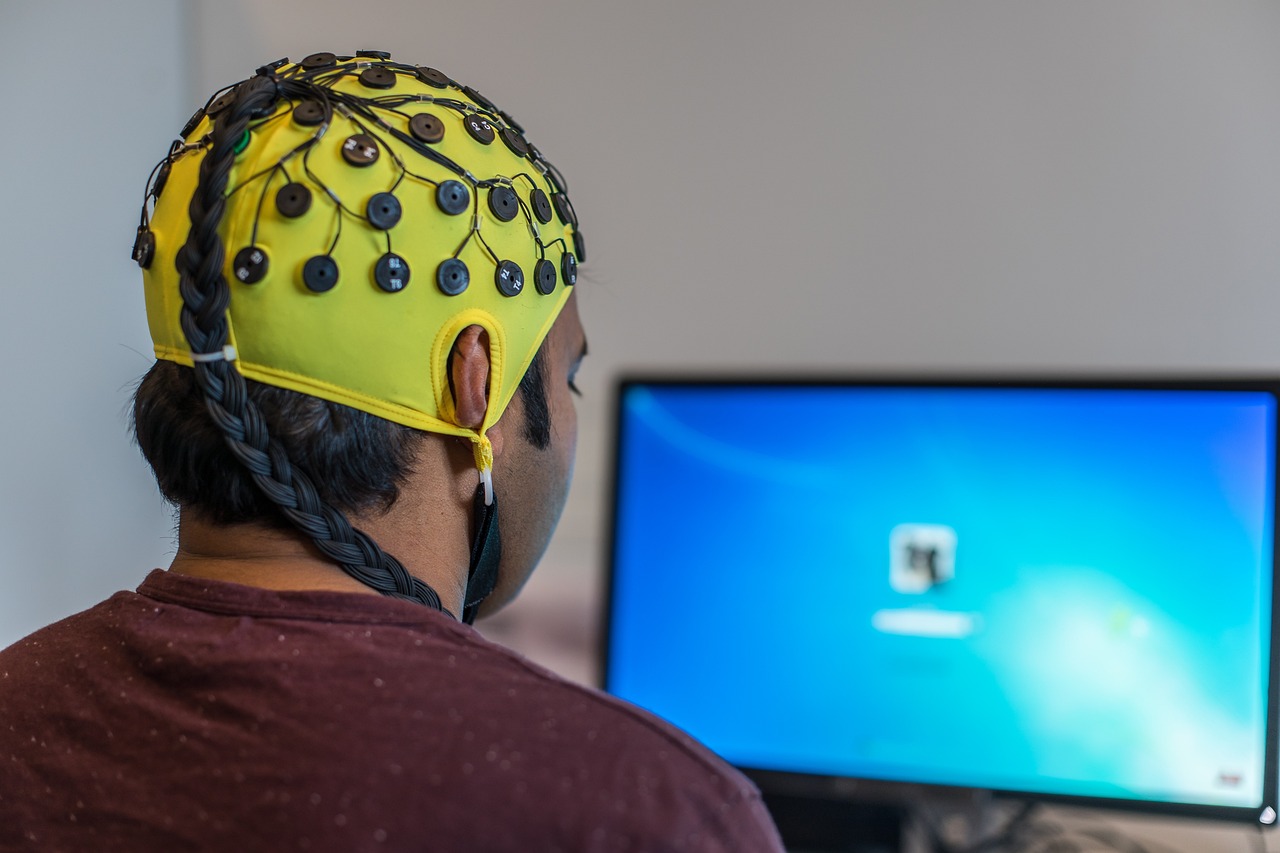
The neuromarketing research we conduct combines marketing, psychology, and neuroscience. Neurological testing is done using non-invasive methods to measure brain activity and obtain neurofeedback on specific stimuli from promotional materials.
What do you gain from neuro research?
For the first time in history, your marketing team can get biofeedback from your target audience on the materials you present. Based on these emotional reactions, they will often make subconscious decisions about what they think of your brand and whether they trust it.
After receiving the results of your neurological testing, you will have a clear understanding of which issues to resolve, what perception of your products to adjust, and what messages to craft in order to improve the emotional and neurological response of your audience to your brand.

With this type of research, you will be far more competitive in a market that still relies on traditional methods that don’t provide such deep qualitative insights into audience behavior, needs, and challenges.
Who wouldn’t want to access the subconscious of their target audience?
Innovation is essential in marketing
Today, people spend more than 40% of their waking hours online. This means they are aware of hidden messages brands communicate and make subconscious decisions very quickly about whether to continue engaging with content. Some even argue that attention span hasn’t decreased — only interest. Though unpopular, this perspective is valid and should guide marketing strategies.

Traditional research methods reveal what people consciously think attracts or holds attention, but they don’t penetrate the core of what people truly feel. Neuromarketing techniques help you access the subconscious and understand why your audience reacts the way they do to your messages.
If you want to elevate your brand reputation and achieve long-term results that continuously deliver value, it is essential to invest in innovation, both in research and in implementing new solutions.
Examples of how neuromarketing has improved some of the world’s largest brands:
Mercedes
Neuro research helped the experts of the car company "Mercedes" to find out what are the triggers that lead potential buyers to direct part of their budget to buy a new car. Some of the findings influenced the technical changes in the sound of the door closing, but also the smell of the car's interior.
Coca-Cola
One cannot talk about marketing without mentioning the Coca-Cola brand. The brand managers of this company created such an image in the minds of consumers that the very sound of opening the can, the specific shade of red and the print on the packaging influences the purchase decision. Although blind testing makes customers more likely to opt for brands like Pepsi, with their eyes open they will still prefer to pull out a can of Coca-Cola from the fridge.
Mega-market layout
Product placement in megamarkets is also a product of neuromarketing research. Cheaper products that you often come for every day are placed in the depth of the store, so that on the way to them you will notice a large number of other and more expensive ones, which you probably don't need, but will still find a place in your basket. Also, sweets, candies and lollipops are most often placed under the cash register or on lower shelves, at the eye level of the child, who will certainly ask their parents for this delicacy when shopping.
Barack Obama
It is not surprising that the expert team of the former American president also invested in innovative research approaches. Thus, based on neuro research, they came to the result that certain combinations of images, button positions and promotional messages on the donor site have a better effect on people who want to invest in the campaign. In this way, Barack Obama's team collected as much as 60 million dollars more.
Enrique Peña Nieto
This leader went a step further and almost 10 years ago he implemented something that is still only talked about in our region. Namely, he installed cameras on his promotional billboards and through the analysis of the reactions of passers-by obtained information about how they feel. He also used pre-election research, using the principles of neuromarketing, to measure how people reacted to his speeches, messages and debates. Needless to say, he won the election convincingly.
Ahmet Davutoglu
This Turkish leader was by no means among the favorites at the beginning of his career. However, he was aware of this, so he hired a team that monitored the public's reactions to his appearance and the messages he sends. According to the results, the speeches were corrected and over time, Davutoğlu became one of the most charismatic leaders on the Turkish political scene.
How neuro research works
We use innovative methods and techniques to understand why your target audience makes certain decisions and forms opinions about your brand. Depending on the client and research goals, studies are conducted with groups of 10, 20, or 30 participants.
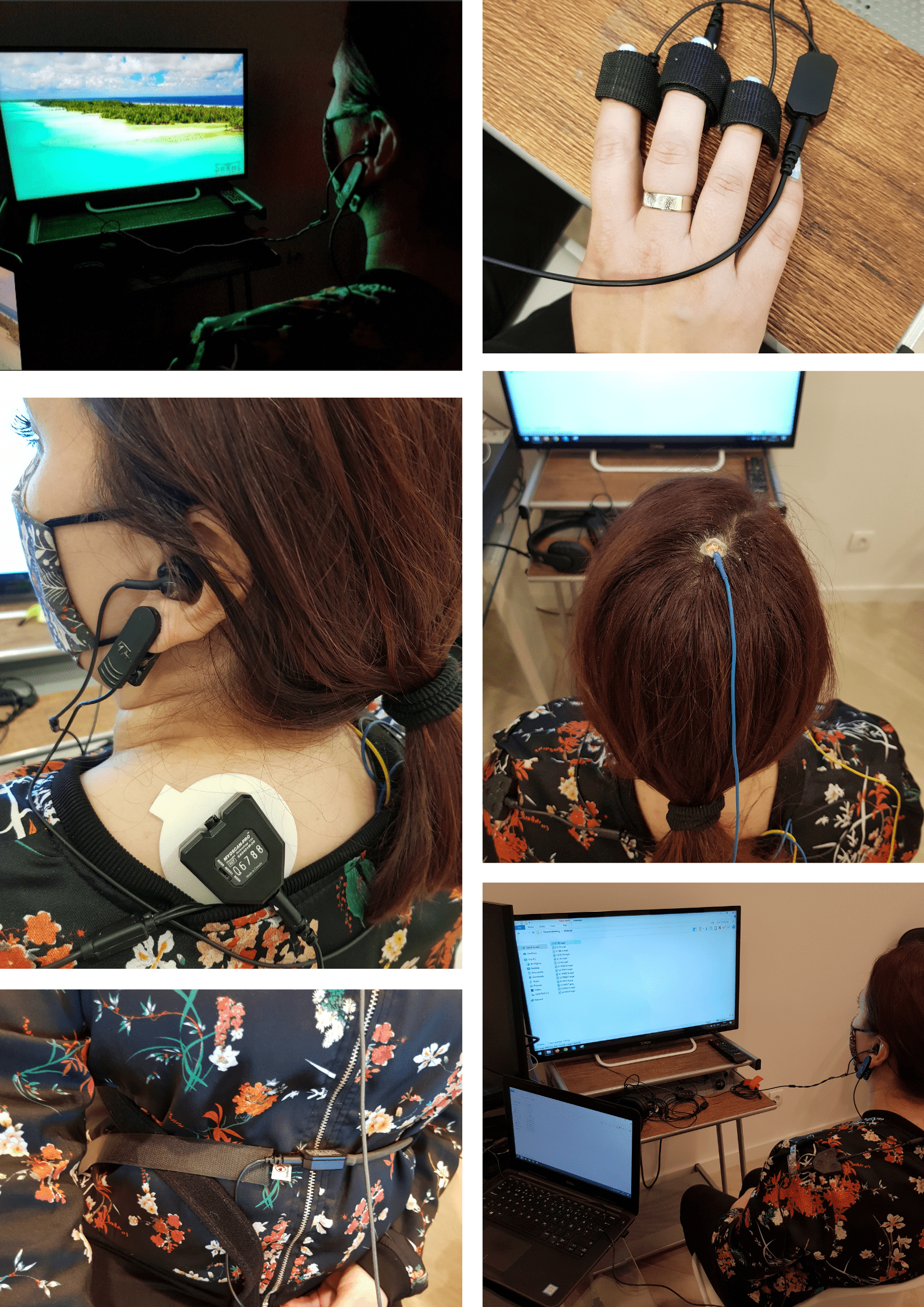
Our biofeedback and neurofeedback devices measure:
- * EMG – electrical potentials of muscles, tension, contraction, and relaxation during promotional material exposure;
- * BVP – heart rate and pulse changes during stimuli exposure;
- * Respiration – monitoring inhalation, exhalation, diaphragm, and breathing;
- * Temperature – measuring blood temperature via finger sensors;
- * SC – skin conductance, sweating, and reactions to external stimuli;
- * EEG – electrical activity of the brain;
- * Eye tracking – eye movements, fixation points, speed, and direction of gaze.
Be among the pioneers in the region who, like global brands and top political figures, recognized the importance of neuro research and integrated these principles into their strategies.
Contact us to explore the subconscious of your target audience together.